
Medical imaging remains essential for modern healthcare, with modalities like MRI, CT, and PET scans driving diagnostic and treatment decisions.
DICOM (Digital Imaging and Communications in Medicine) is the universal format underpinning these workflows.
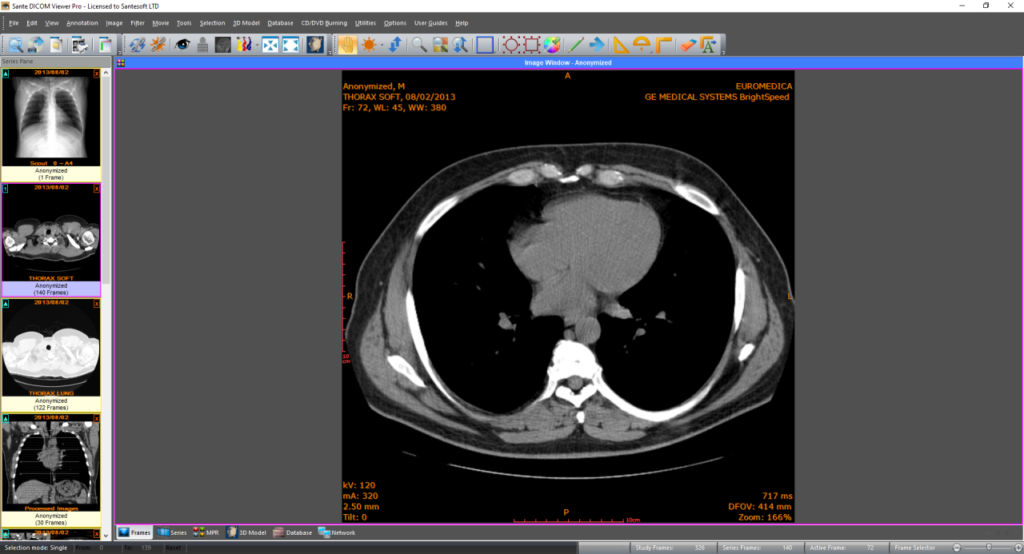
However, Apple still lacks native DICOM functionality in Mac operating systems, forcing reliance on third-party DICOM viewer Mac freeware.
When can technicians, radiologists, and clinicians expect Apple to fully support medical imaging natively?
Examining internal priorities along with competitive external pressure informs realistic timelines.
Gradual Adoption of Healthcare Capabilities
While Apple moves slowly and selectively into new categories, steady healthcare momentum indicates DICOM abilities will arrive eventually:
- Apple Health app aggregates patient data hinting at long-term PHR ambitions
- Partnerships with leading hospitals evidence deep investment in health records integration
- Acquisitions of AI startups demonstrate diagnostic and visualization intents
Medical functionality still plays catch up to Apple’s core offerings, but all signs point to patient-centered iOS features creeping towards clinician-focused Mac enhancements over time.
Comparison to iPadOS DICOM Support
A blueprint for gauging Mac roadmaps is examining analogous iPadOS capabilities:
- iPadOS 16 introduced native DICOM sample data viewing for the first time in 2022
- But still lacks production-ready DICOM tools for commercial radiologists
Since iPads adopted initial viewing five years ago in 2017, Macs conceivably integrate basics in two to three years.
But another three- to five-year horizon is likely needed for Macs matching iPadOS’ current clinical viability.
Evolving macOS Architecture
Underlying OS upgrades also foreshadow expanded medical use cases:
- Macs transitioning from Intel to proprietary Apple silicon opens new specialized hardware options
- Platform convergence with iOS means more shared frameworks capable of credentialed DICOM workflows
Both transitions enable Apple to tackle healthcare in more dedicated ways rather than only general consumer wellness.
Competition from Incumbents
Of course, Apple disrupting medical imaging faces fierce battles against entrenched players:
- Esteemed vendors like GE, Phillips, and Siemens dominate radiology software
- Top hospital IT systems are purpose-built for complex protocols like HL7 and FHIR
Still, Apple’s track record of revolutionizing other stagnant industries proves if any company can radically simplify medical software, it’s Apple.
Stopgap Alternatives Available
Until Macs offer native DICOM tools, ‘good enough’ options currently exist:
- Open-source OsiriX showcases basic diagnostic reading potential
- Commercial options like RadiAnt and Horos provide full processing for 2D/3D rendering
- Cloud viewers enable convenient collaboration
While perhaps not yet matching the polish of Apple-quality software, these holdovers show Macs already support refined clinical workflows.
The question merely becomes when and if Apple builds upon formative health capabilities towards fully integrated DICOM functionality. Of course, predicting exact timelines proves speculative.
But analyzing trajectory against market realities grounds expectations in likely multi-year developments.
In the meantime, solutions exist allowing clinicians and radiologists to leverage Macs’ performance for medical imaging.
Stay apprised of each Apple OS update for hints at DICOM’s eventual native maturation. And know the long-term outlook points to Macs claiming definitive market share backing diagnostic patient care.