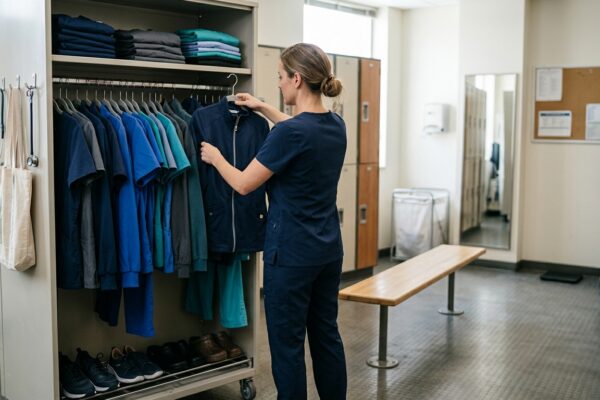

The best scrubs for nurses and doctors are not chosen by style alone. They need to support movement, long shifts, professional presentation, laundering, layering, and role-specific needs. Nurses may prioritize stretch, breathable fabric, and pocket space, while doctors may need polished scrub sets that layer cleanly with lab coats.
Healthcare workers comparing nursing scrubs for women or scrub sets for clinical providers should look closely at fit, fabric, waistband design, inseam length, and pocket placement. A comfortable uniform should work during patient care, charting, rounds, procedures, and repeated washing.
Key Takeaways
- Nurses often need scrubs with flexible fabric, practical pockets, and comfortable waistbands because their workdays may involve walking, bending, lifting, and frequent movement.
- Doctors and clinical providers often benefit from clean, structured scrubs that look professional under a lab coat and hold their shape through a full day.
- Scrub fabric matters as much as size because stretch, breathability, softness, and durability affect comfort during long shifts.
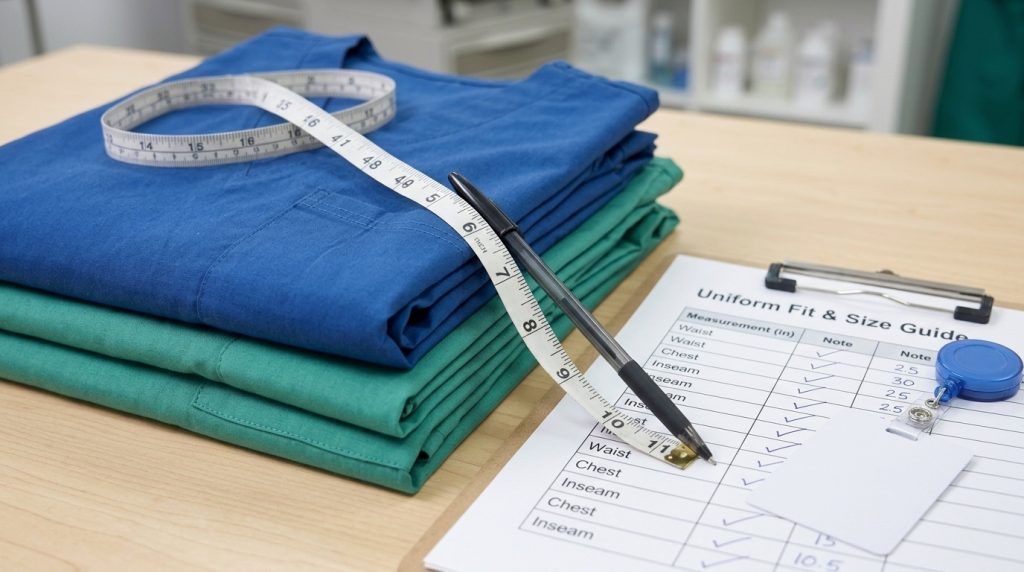
- Pant fit should be checked by rise, inseam, waistband, and leg shape, not just waist size.
- Scrubs should match workplace rules for color, embroidery, laundering, and protective apparel requirements.
Why Nurses and Doctors Need Different Scrub Features
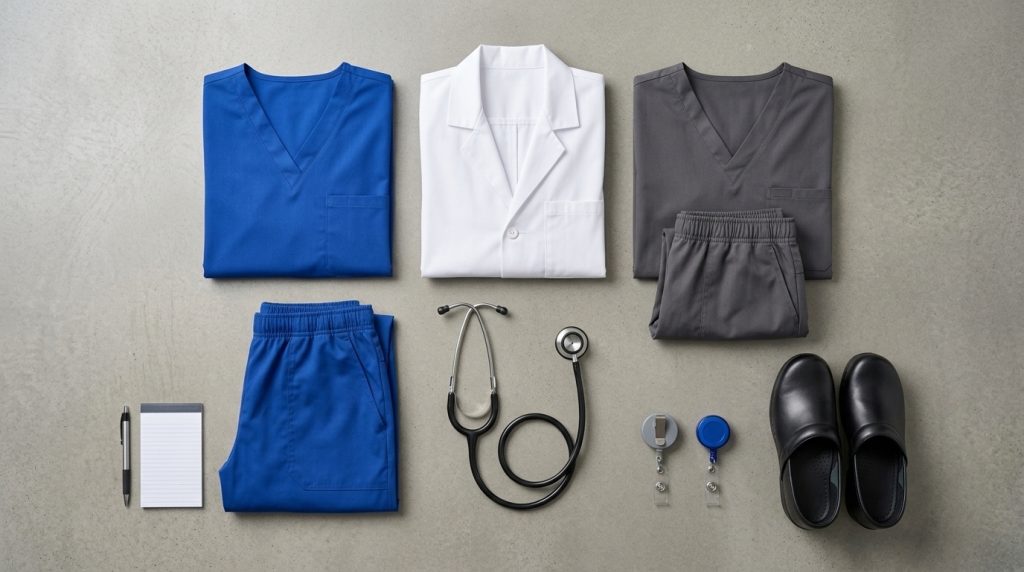
Nurses and doctors may both wear scrubs, but they often use them differently. A nurse working a bedside shift may need extra storage, strong mobility, and fabric that stays comfortable through repeated movement. A doctor may prefer a scrub set that looks crisp during patient consultations, rounds, and procedures.
The U.S. Bureau of Labor Statistics explains that registered nurses work across hospitals, physicians’ offices, home healthcare, nursing care facilities, outpatient centers, and schools. That variety shows why scrub needs can change by setting, shift type, and role. The BLS also notes that physicians and surgeons examine patients, diagnose conditions, and provide treatment, which often requires professional apparel that supports clinical movement and presentation. Relevant workforce details can be reviewed through the BLS pages for registered nurses and physicians and surgeons.
A good scrub set should fit the actual workday. The best option for an emergency department nurse may not be the same as the best option for a physician in an outpatient clinic. Scrub selection should start with job function, not only appearance.
Best Scrub Features for Nurses
Nurses often work long, active shifts. Their scrubs should allow movement, carry small tools, clean easily, and remain comfortable after hours of standing, walking, sitting, and bending.
Comfortable Stretch and Recovery
Stretch is one of the most important features for many nurses. Scrubs should move with the body when reaching, squatting, turning, lifting, or sitting. However, stretch alone is not enough. The fabric also needs recovery, which means it should return to shape after movement.
Scrubs that stretch out too quickly can feel loose by the end of a shift. A balanced fabric blend with spandex or mechanical stretch may help maintain comfort and shape.

Practical Pocket Layout
Pocket placement matters for nurses because small tools and personal items may need to stay accessible. Depending on the role, nurses may carry pens, scissors, alcohol wipes, note sheets, phones, badge reels, or small clinical tools.
Useful pocket features may include:
- Chest pockets for pens or small items
- Cargo pockets for larger storage needs
- Zipper pockets for secure storage
- Side-entry pockets for quick access
- Badge loops for identification support
- Interior pockets for smaller essentials
Pockets should be useful without making the scrub top or pant feel bulky. A pocket that pulls the garment out of shape may become uncomfortable during a long shift.
Breathable Fabric for Long Shifts
Nurses may move between patient rooms, hallways, supply areas, and charting stations throughout the day. Lightweight and breathable fabric can make a major difference during long shifts, especially in fast-paced units.
Breathability depends on fabric weight, fiber blend, weave, and fit. A slightly relaxed fit may feel cooler than a tight fit because it allows better airflow.
Waistband Comfort
A scrub pant waistband should stay secure without digging into the body. Nurses who sit, walk, bend, and stand throughout the day may prefer knit waistbands, elastic waistbands, drawstrings, or hybrid waistbands depending on body shape and preference.
A good waistband should:
- Stay in place during movement
- Feel comfortable when sitting
- Avoid rolling or twisting
- Work with tucked or untucked tops
- Hold small pocket items without sagging
Best Scrub Features for Doctors
Doctors, physician assistants, nurse practitioners, and other providers may need scrubs that balance function with a professional appearance. The best scrub set should look polished, allow clinical movement, and layer smoothly with lab coats.

Clean Professional Fit
Doctors often benefit from scrubs with a cleaner silhouette. A structured or modern fit can help maintain a professional appearance without feeling stiff. Scrub tops should not pull across the chest or shoulders, and pants should not look overly loose or too tight.
A polished scrub fit should allow:
- Comfortable shoulder movement
- Clean drape through the torso
- Professional neckline coverage
- Secure waistband fit
- Smooth layering under a lab coat
For providers comparing medical scrubs for doctors, the goal is not only comfort. The scrub set should also look appropriate in patient-facing settings.
Lab Coat Compatibility
Many doctors wear lab coats over scrubs. That means scrub tops should fit comfortably under a coat without bunching at the shoulders, sleeves, or torso. A bulky top can make the lab coat feel tight, while a thin or poor-fitting top may look unstructured.
Professionals who wear coats regularly may also want to compare lab coats for healthcare professionals based on length, pocket layout, sleeve comfort, and layering fit.
Fabric That Holds Shape
Doctors may move between exam rooms, consultations, procedures, and administrative tasks. A fabric that resists wrinkling and keeps its shape can help maintain a neat appearance during the day.
Look for fabrics that offer:
- Wrinkle resistance
- Shape retention
- Comfortable stretch
- Soft hand feel
- Easy care
- Professional drape
A scrub set that looks sharp at the start of the day but loses shape quickly may not be ideal for a full clinical schedule.
Fabric Types and Performance Factors
Scrub fabric affects nearly every part of the wearing experience. It changes how the uniform feels, moves, washes, and looks after repeated use.
Polyester Blends
Polyester is common in medical scrubs because it can support durability, wrinkle resistance, and color retention. Polyester blends can be useful for workers who wash scrubs frequently and need garments that dry relatively quickly.
Rayon Blends
Rayon can add softness and drape. Scrubs with rayon may feel smoother and more flexible, depending on the blend. However, care instructions should always be checked because fabric blends can vary.
Spandex or Stretch Blends
Spandex helps scrubs stretch and recover. This can be valuable for nurses, doctors, students, and other healthcare workers who move frequently. Stretch fabric should still feel supportive rather than flimsy.
Cotton-Blend Scrubs
Cotton blends may feel familiar and breathable, but they can wrinkle or shrink depending on construction and care. A cotton-blend scrub may work well for workers who prefer a more traditional fabric feel.
How Scrub Fit Should Be Tested
Scrubs should not be judged only while standing still. A proper fit test should include normal clinical movements.
Movement Test for Tops
When trying on a scrub top, test the following:
- Reach both arms forward
- Lift both arms overhead
- Bend slightly at the waist
- Sit down and stand up
- Check whether the neckline stays comfortable
- Confirm that pockets remain accessible
The top should not pull at the shoulders, expose too much when bending, or feel tight across the upper back.
Movement Test for Pants
Scrub pants should be tested while walking, sitting, bending, and stepping. The waistband should stay secure, and the knees and thighs should not feel restricted.
Check:
- Rise height
- Waistband pressure
- Inseam length
- Thigh mobility
- Calf room in joggers
- Pocket placement while sitting
- Pant length with work shoes
A pant that looks good standing may not feel comfortable during an active shift.
Scrub Pants: Jogger, Straight Leg, Tapered, or Cargo?
Pant style affects both comfort and appearance. The best choice depends on body shape, workplace rules, and movement needs.
Jogger Scrub Pants
Jogger pants have elastic cuffs and a more athletic profile. They can help prevent extra fabric around the ankle and may feel modern and secure. However, workers should check whether joggers are allowed by workplace dress codes.
Joggers may work well for:
- Active clinical roles
- Workers who dislike long hems
- Modern scrub preferences
- Fast-paced environments
- Healthcare workers who prefer athletic styling
Straight-Leg Scrub Pants
Straight-leg scrub pants offer a more traditional shape. They can look professional and may work well across many healthcare settings. They are often easier to pair with different tops and shoes.
Tapered Scrub Pants
Tapered pants narrow toward the ankle without using a jogger cuff. They can look modern while remaining more traditional than joggers. This option may suit nurses and doctors who want a cleaner silhouette.
Cargo Scrub Pants
Cargo pants offer additional storage. They may be helpful for nurses, technicians, and workers who carry several small items during a shift. The tradeoff is that extra pockets can add bulk.
Scrub Tops: What Nurses and Doctors Should Compare
Scrub tops can vary by neckline, pocket count, sleeve shape, side vents, fabric, and length.
V-Neck Tops
V-neck scrub tops are common and practical. They can work well across many roles and are often easy to layer with jackets or lab coats.
Tuck-In Tops
Tuck-in tops offer a clean, modern appearance. They can be useful for workers who want a polished look, but the pant waistband and rise must work well with the top.
Mock-Wrap Tops
Mock-wrap tops may provide shape and visual structure. Some workers prefer them because they feel more styled than basic scrub tops.
One-Pocket or Multi-Pocket Tops
A one-pocket top often looks cleaner, while multi-pocket tops can be more functional. Nurses may prefer more storage, while doctors may prefer a simpler appearance depending on the setting.
Choosing Scrubs for Long Shifts
Long shifts can make small fit problems feel much larger. A tight waistband, stiff fabric, or poor shoulder fit may be tolerable for one hour but uncomfortable after ten or twelve.
For long shifts, prioritize:
- Soft fabric that does not irritate
- Stretch that recovers well
- Breathable construction
- Secure but comfortable waistbands
- Pockets that do not drag
- Pant length that works with shoes
- Tops that do not ride up
- Easy-care laundering
Comfort should be practical, not only soft. A scrub set should support the body through movement, temperature changes, and repeated tasks.
Scrubs, Laundering, and Hygiene Considerations
Scrubs need to be cleaned according to workplace policies and garment care labels. The CDC provides healthcare guidance related to laundry and bedding, including considerations for textiles used in healthcare environments. While everyday scrub care may vary by workplace, laundering guidance matters because healthcare garments can be exposed to clinical settings.
Healthcare workers should check:
- Employer laundering policies
- Fabric care labels
- Water temperature instructions
- Drying instructions
- Bleach limitations
- Colorfastness
- Rules for contaminated clothing
Scrubs that are difficult to maintain may not be practical for frequent use.
Are Scrubs the Same as Protective Equipment?
Scrubs are professional workwear, but they are not a replacement for personal protective equipment. OSHA describes personal protective equipment as equipment used to reduce exposure to hazards that can cause workplace injuries and illnesses. Depending on the healthcare setting, PPE may include gloves, masks, gowns, eye protection, respirators, or other required items.
Nurses, doctors, and other healthcare workers should follow employer policies for PPE, laundering, contaminated clothing, and infection-control procedures.
Buying Scrubs Locally vs Online
Both local and online shopping can be useful. The better choice depends on whether the buyer knows their size and preferred style.
When Local Shopping Helps
Local shopping is useful when trying a new brand, comparing fabrics, checking pant length, or buying scrubs for a new job. A local store visit lets buyers test fit in person and compare several styles at once.
A verified Dayton scrub store listing can help shoppers confirm directions and local store details before visiting.
When Online Ordering Helps
Online ordering is useful for repeat purchases. Once a nurse or doctor knows the correct brand, size, color, and pant style, ordering online can save time. It is also useful when comparing several product categories before making a decision.
Common Scrub Buying Mistakes
Many healthcare workers choose scrubs based only on size, color, or price. That can lead to discomfort or poor long-term value.
Avoid these mistakes:
- Assuming all scrub brands fit the same
- Buying pants without checking inseam
- Ignoring workplace color rules
- Choosing fabric that feels too stiff
- Buying joggers without checking dress code
- Skipping the movement test
- Overlooking laundering instructions
- Choosing too few pockets or too many bulky pockets
- Buying several sets before confirming fit
- Ignoring lab coat layering needs
A better approach is to test one complete set first, then buy additional pieces once the fit is confirmed.
Final Thoughts
The best scrubs for nurses and doctors are practical, comfortable, professional, and role-appropriate. Nurses may need more storage, stretch, and breathable fabric for active shifts. Doctors may prioritize clean lines, shape retention, and lab coat compatibility. Both groups need scrubs that fit well, wash easily, and support daily clinical movement.
A strong scrub choice should be based on work setting, shift length, body fit, pocket needs, fabric preference, and workplace rules. When scrubs are chosen carefully, they can make the workday feel more organized, comfortable, and professional.
FAQs
What are the best scrubs for nurses?
The best scrubs for nurses usually have flexible fabric, comfortable waistbands, useful pockets, breathable construction, and durable seams. Nurses should look for scrub tops and pants that allow bending, reaching, walking, and sitting without pulling or sagging during long shifts.
What are the best scrubs for doctors?
The best scrubs for doctors usually offer a clean professional fit, fabric that holds shape, and comfortable layering under lab coats. Doctors may prefer structured or modern-fit scrubs that look polished in patient-facing settings while still allowing clinical movement.
Should nurses wear jogger scrub pants?
Nurses can wear jogger scrub pants if their workplace allows them and the fit supports movement. Joggers can reduce extra fabric around the ankle and feel comfortable during active shifts. However, calf fit, inseam length, and dress code rules should be checked before buying.
How should medical scrubs fit?
Medical scrubs should fit comfortably without being too tight or too loose. Tops should allow shoulder movement and stay secure when bending. Pants should sit comfortably at the waist, allow thigh and knee movement, and have the correct inseam for work shoes.
Are scrubs considered PPE?
Scrubs are generally professional workwear, not a replacement for personal protective equipment. Healthcare workers should follow employer policies for PPE, laundering, and contaminated clothing. In many settings, gloves, gowns, masks, eye protection, or other PPE may be required depending on the task.