
Commercial properties are experienced through more than their visual appearance. Customers, residents, guests, and employees also notice temperature, cleanliness, lighting, background sound, airflow, and fragrance. Together, these elements influence whether a business environment feels comfortable, polished, energetic, calm, or poorly maintained.
A carefully planned fragrance program can support the atmosphere of a hotel, apartment community, retail store, office, fitness facility, healthcare reception area, or entertainment venue. However, effective commercial scenting involves more than selecting a pleasant aroma and placing a diffuser near the entrance.
Businesses must consider the purpose of the program, property layout, room volume, ventilation, visitor traffic, diffuser technology, fragrance intensity, employee exposure, and ongoing maintenance. San Diego properties must also account for coastal conditions, indoor-outdoor layouts, warm weather, tourism, and frequent use of air-conditioning.
When fragrance is properly selected and managed, it can complement the environment without overpowering visitors or concealing unresolved odor problems.
Why Businesses Use Commercial Fragrance
Businesses may introduce commercial scenting for several different reasons. Some want to create a recognizable atmosphere, while others are seeking more consistent fragrance coverage in high-traffic areas.
Common goals include:
- Creating a welcoming entrance
- Supporting the identity of the property
- Developing a recognizable signature scent
- Maintaining consistency across several locations
- Improving the atmosphere of lobbies and reception areas
- Introducing seasonal fragrance changes
- Reducing reliance on aerosol sprays and household plug-ins
- Supporting freshness after odor sources have been addressed
- Managing fragrance according to operating hours
- Creating separate scent zones within a property
The main objective should be established before equipment or fragrance is selected.
A hotel developing a signature lobby fragrance needs a different strategy from a fitness facility addressing recurring odors near locker rooms. Branding, ambient fragrance, and odor control should be treated as related but separate functions.
Understand San Diego’s Commercial Environment
San Diego includes coastal hotels, resorts, apartment communities, offices, shopping areas, fitness facilities, healthcare properties, senior living communities, and entertainment venues. Each environment has different fragrance requirements.
Local conditions that may affect scent distribution include:
- Coastal humidity
- Warm temperatures
- Frequent air-conditioning
- Open exterior doors
- Indoor-outdoor spaces
- Seasonal tourism
- High visitor traffic
- Large hotel lobbies
- Shared ventilation
- Ocean air entering buildings
A scenting system that works in an enclosed professional office may not perform the same way in a resort lobby with open doors and tall ceilings.
Fragrance may escape quickly from open areas, while enclosed spaces may retain it for longer. Equipment output should therefore be adjusted according to actual building conditions.
Define the Intended Atmosphere
Fragrance selection should begin with a clear description of how the business wants the environment to feel.
Possible qualities include:
- Coastal
- Clean
- Modern
- Relaxed
- Energetic
- Warm
- Professional
- Natural
- Refined
- Luxurious
- Minimal
- Welcoming
These words can guide the fragrance direction.
For example:
- A coastal hotel may consider marine, linen, citrus, or light botanical notes.
- A luxury apartment community may prefer subtle woody, amber, green, or floral profiles.
- A fitness center may select a bright citrus or fresh-air fragrance.
- A professional office may need a restrained green, woody, or clean-linen scent.
- A wellness business may explore herbal, tea, or botanical profiles.
The fragrance should reinforce the property’s design, service level, and customer expectations.
Match Fragrance Families to Property Types
Different fragrance families create different impressions. These associations are not fixed rules, but they provide a useful starting point.
Citrus Fragrances
Citrus profiles may include:
- Lemon
- Orange
- Grapefruit
- Mandarin
- Lime
- Bergamot
These scents are often associated with environments intended to feel bright, fresh, active, and clean.
They may suit:
- Fitness facilities
- Offices
- Retail stores
- Leasing centers
- Entertainment venues
- Reception areas
Citrus notes should be tested at a low setting because sharp profiles can become overwhelming in smaller rooms.
Marine and Fresh-Air Fragrances
Marine profiles may include water, ocean breeze, fresh linen, rain, ozone, or other coastal characteristics.
They may support an atmosphere that feels:
- Open
- Light
- Relaxed
- Coastal
- Minimal
- Clean
These fragrances may work well in hotels, resorts, apartment communities, gyms, spas, and retail stores.
Woody Fragrances
Woody scents may contain cedar, sandalwood, oak, amber, vetiver, or related notes.
They may contribute to an environment that feels:
- Warm
- Grounded
- Refined
- Established
- Comfortable
Possible settings include luxury hotels, professional offices, apartment clubhouses, furniture showrooms, and private clubs.
Green and Botanical Fragrances
Green profiles may include herbs, tea, leaves, grass, eucalyptus, or blended botanical notes.
They may support spaces intended to feel:
- Natural
- Balanced
- Contemporary
- Clean
- Wellness-oriented
These scents may suit spas, offices, senior communities, wellness facilities, and carefully managed reception areas.
Floral Fragrances
Floral profiles may include lavender, jasmine, rose, gardenia, peony, or orange blossom.
Light floral scents may suit hotel entrances, apartment lobbies, boutiques, senior living properties, and reception spaces.
Rich floral profiles should be used carefully because they may become heavy during prolonged exposure.
Commercial Scenting for San Diego Hotels
San Diego’s hospitality market includes coastal hotels, resorts, boutique properties, business hotels, and event-focused venues. Fragrance can support the arrival experience when it is coordinated with the property’s identity.
Potential scenting areas include:
- Entrances
- Lobbies
- Reception desks
- Elevator areas
- Guest corridors
- Lounges
- Spas
- Fitness rooms
- Event spaces
The lobby fragrance should match the property’s design and service level. A coastal resort may use a light marine or botanical profile, while an upscale urban hotel may prefer a subtle woody or amber fragrance.
Hotels with restaurants, cafes, or bars should manage fragrance zones carefully. Ambient scent should not interfere with food and beverage aromas.
Guest rooms may require separate treatment because fragrance preferences vary. A strong lobby scent should not automatically be applied throughout sleeping areas.
Commercial Scenting for Apartment Communities
Multifamily properties may use fragrance in:
- Leasing offices
- Model apartments
- Lobbies
- Resident lounges
- Clubhouses
- Coworking areas
- Fitness centers
- Elevator zones
- Shared corridors
Fragrance can support the presentation of the property during tours and help create consistency across shared amenities.
However, residential environments require moderation. Residents and employees experience the scent repeatedly, so excessive intensity can quickly become uncomfortable.
Trash rooms, laundry areas, parking structures, pet spaces, and vacant units should have separate odor-management plans. A pleasant fragrance in the leasing office should not be used to conceal maintenance problems in other areas.
Commercial Scenting for Retail Properties
Retail fragrance should complement the merchandise and customer profile.
Businesses should consider:
- Store size
- Ceiling height
- Customer visit duration
- Product materials
- Natural product aromas
- Open entrances
- Dressing rooms
- Checkout areas
- Seasonal displays
- Neighboring tenants
A fragrance that works in a clothing boutique may not suit a furniture showroom, beauty retailer, grocery environment, or technology store.
The scent should support browsing without distracting customers from the products.
Food retailers and restaurants may need little or no added fragrance because product aromas are already part of the experience.
Commercial Scenting for Fitness Facilities
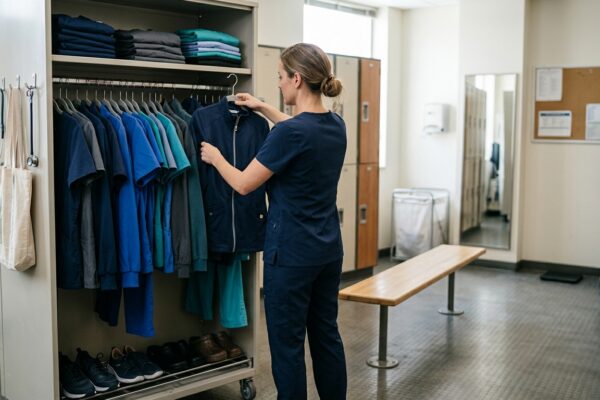
Gyms and fitness studios often experience odors related to perspiration, damp materials, towels, footwear, locker rooms, and high traffic.
A complete facility plan should prioritize:
- Equipment sanitation
- Mat cleaning
- Laundry handling
- Locker ventilation
- Shower maintenance
- Moisture control
- Waste removal
- HVAC operation
- Floor cleaning
Fragrance may support entrances, front desks, and selected common areas after cleaning and airflow are addressed.
Strong scent near exercise zones may be uncomfortable because customers breathe more deeply during physical activity.
Commercial Scenting for Offices
Office environments require careful fragrance management because employees may remain inside for a full workday.
Diffusers should not direct concentrated fragrance toward:
- Desks
- Reception workstations
- Conference seating
- Private offices
- Enclosed work areas
- Break-room tables
A subtle botanical, woody, linen, or light citrus fragrance may suit an office, depending on the business identity.
Employees should have a clear process for providing feedback. Settings should not be increased simply because regular occupants have become accustomed to the scent.
Commercial Scenting for Healthcare and Senior Properties
Medical offices, dental practices, rehabilitation facilities, and senior living communities require cautious fragrance use.
Responsible practices may include:
- Starting with low intensity
- Choosing subtle fragrance profiles
- Keeping equipment away from treatment areas
- Avoiding direct output toward waiting-room seating
- Maintaining unscented zones
- Monitoring staff and visitor feedback
- Reviewing available product documentation
- Avoiding unsupported medical claims
Fragrance may contribute to a more welcoming reception environment, but it should not be described as a treatment, disinfectant, or health solution without appropriate evidence.
Select the Right Diffuser Technology
Commercial fragrance equipment is available in several formats. The correct option depends on the size, airflow, layout, and intended zones of the property.
Standalone Diffusers
Standalone systems release fragrance directly into a room.
They may suit:
- Leasing offices
- Model units
- Small retail stores
- Reception rooms
- Conference spaces
- Elevator lobbies
- Hotel rooms
- Waiting areas
These systems allow each room to have an independent schedule and intensity setting.
Large-Area Diffusers
Larger equipment may be required for:
- Hotel lobbies
- Fitness centers
- Resident clubhouses
- Entertainment venues
- Retail floors
- Event spaces
- Showrooms
Advertised square-foot coverage should be treated as a general estimate. Room volume, ceiling height, airflow, and customer traffic also affect performance.
HVAC-Connected Systems
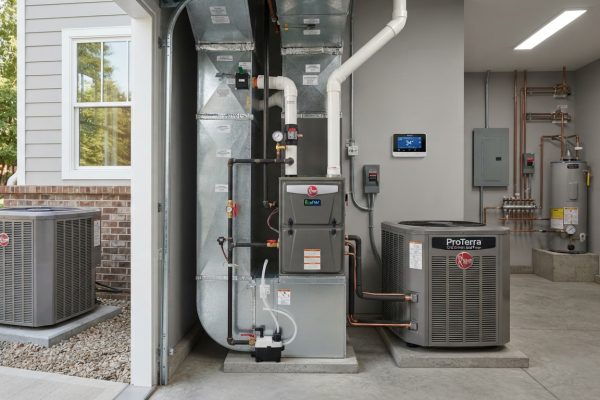
HVAC-compatible equipment introduces fragrance into a ventilation system. Supply vents then distribute it across connected areas.
Before installation, businesses should review:
- HVAC zones
- Fan schedules
- Supply vents
- Return vents
- Filtration
- Shared tenant systems
- Duct access
- Unscented spaces
- Building restrictions
HVAC distribution may not be appropriate when one ventilation network serves unrelated areas.
Cold-Air Diffusion
Cold-air systems use pressurized air to transform fragrance oil into fine particles without heat or water.
Potential features include:
- Programmable schedules
- Adjustable intensity
- Standalone installation
- HVAC compatibility
- Different equipment capacities
- Controlled diffusion intervals
Correct sizing and placement remain essential regardless of the technology.
Measure the Space Accurately
Square footage is only one part of diffuser selection.
Businesses should also record:
- Ceiling height
- Room shape
- Connected corridors
- Open doorways
- Exterior entrances
- Supply vents
- Return vents
- Furniture placement
- Customer seating
- Employee workstations
A lobby with a tall ceiling contains more air than a standard room with the same floor area.
Irregularly shaped properties may require two smaller diffusers rather than one high-output unit. This can improve consistency and reduce excessive fragrance near the equipment.
Evaluate Airflow Before Installation
Fragrance particles move with the surrounding air. Supply vents, return vents, fans, and open doors can determine whether the scent spreads evenly or disappears from the intended area.
An airflow review should include:
- HVAC supply vents
- Return vents
- Ceiling fans
- Exterior doors
- Interior doorways
- Kitchen exhaust
- Restroom exhaust
- Elevator movement
- Open-air transitions
- Seasonal HVAC changes
A diffuser placed near a return vent may lose fragrance before it spreads. A device near an exterior entrance may send much of its output outside.
Equipment should use gentle airflow without directing concentrated fragrance toward customers or employees.
Create Separate Scent Zones
Large properties often contain areas with different uses.
Potential zones include:
- Entrance
- Lobby
- Reception desk
- Retail floor
- Waiting room
- Office
- Hallway
- Fitness center
- Elevator area
- Restroom
- Event space
- Waste room
A signature scent may work well in a lobby but be unsuitable near a restaurant or medical treatment room.
Restrooms and waste areas may require targeted odor management instead of the fragrance used in customer-facing spaces.
Separate zones allow businesses to use different schedules, equipment, and intensity levels.
Begin With Low Fragrance Intensity
A commercial scent should usually remain in the background. Visitors may notice that the environment feels fresh or coordinated without focusing directly on the fragrance.
Intensity should reflect:
- Room volume
- Customer traffic
- Employee exposure
- Length of visit
- Air movement
- Exterior door activity
- Fragrance strength
- Operating hours
- Seasonal conditions
The diffuser should begin at a conservative setting. Output can be increased gradually if coverage remains weak.
Employees may become accustomed to the scent and believe it has disappeared. Feedback from occasional visitors can provide a more accurate assessment.
Use a Programmable Schedule
Commercial scent equipment does not usually need to operate continuously.
A practical schedule may include:
- Moderate output before opening
- Reduced output during early employee hours
- Consistent operation during peak visitor periods
- Lower output during quieter times
- Limited or no operation after closing
- Separate weekend settings
- Adjustments for events
- Seasonal changes
Properties with open doors may require different schedules from enclosed businesses. Warmer months may also affect how quickly fragrance leaves the space.
Test the Fragrance On-Site
A fragrance card or bottle provides only an initial impression. The final scent can change after interacting with the property.
Building elements that may affect performance include:
- Carpets
- Upholstery
- Wood
- Leather
- Cleaning products
- Food aromas
- Outdoor air
- Humidity
- Existing odors
- HVAC filters
Testing should occur during normal operations.
Decision-makers should evaluate:
- Coverage consistency
- Strong and weak areas
- Employee comfort
- Customer feedback
- Equipment noise
- Fragrance consumption
- Interaction with cleaning products
- Performance near open doors
- Seasonal suitability
Each intended scent zone should be reviewed separately.
Address Odor Sources Before Adding Fragrance
Fragrance should not be used to conceal unresolved odor problems.
Persistent smells may result from:
- Plumbing issues
- Dry drains
- Waste accumulation
- Damp carpeting
- Moisture damage
- Smoke
- Food residue
- Laundry
- Upholstery
- Poor ventilation
- HVAC contamination
These conditions require cleaning, repairs, moisture control, waste management, or ventilation improvements.
Increasing fragrance output may combine the scent with the unwanted odor and make the space less comfortable.
Once the source is reduced, subtle ambient fragrance may support the environment.
Maintain the Equipment
Commercial scent systems require routine maintenance.
Tasks may include:
- Refilling fragrance oil
- Cleaning the diffuser
- Inspecting nozzles
- Checking tubing
- Confirming timer settings
- Monitoring oil consumption
- Reviewing output levels
- Repositioning equipment
- Updating seasonal schedules
- Replacing worn components
Maintenance responsibility should be assigned to internal staff, facility management, or an outside service provider.
Neglected equipment can create weak coverage, irregular output, noise, residue, or failure.
Manage Scent Sensitivity Responsibly
Commercial properties serve people with different preferences and sensitivities.
Responsible practices include:
- Starting with low output
- Keeping equipment away from seating
- Avoiding direct fragrance toward workstations
- Maintaining unscented areas when appropriate
- Providing a feedback process
- Recording fragrance changes
- Reviewing available product information
- Adjusting settings when concerns arise
- Avoiding unsupported health claims
The program should remain flexible enough to accommodate customer and employee concerns.
Common Commercial Scenting Mistakes
Selecting Fragrance Based Only on Personal Preference
The scent should reflect the property and its audience.
Using Excessive Intensity
Stronger fragrance does not necessarily create a better atmosphere.
Ignoring Airflow
Doors, vents, and fans can significantly change distribution.
Using One Setting Throughout the Property
Lobbies, offices, gyms, restrooms, and food areas have different requirements.
Skipping On-Site Testing
The building may change the way the fragrance smells and travels.
Covering Maintenance Problems
Fragrance cannot repair plumbing, remove moisture, or clean waste areas.
Neglecting Employee Exposure
Employees experience the scent much longer than most visitors.
Questions to Ask Before Beginning
Businesses considering commercial scenting San Diego services should ask:
- What is the main purpose of the fragrance program?
- Which areas should receive scent?
- Which areas should remain unscented?
- What diffuser suits the room volume?
- How will airflow affect placement?
- Can operating schedules and intensity be programmed?
- Is HVAC distribution suitable?
- How often will fragrance need replacement?
- What maintenance is required?
- Can the system be tested first?
- How will employee feedback be handled?
- Does the scent conflict with food or merchandise?
- What product documentation is available?
- Who handles equipment repairs?
- How will long-term performance be reviewed?
Clear answers can help prevent excessive fragrance, unsuitable equipment, inconsistent coverage, and unexpected operating costs.
Create a Written Scent Management Plan
A documented plan may include:
- Program purpose
- Approved fragrance
- Scented zones
- Unscented zones
- Diffuser models
- Equipment locations
- Operating schedules
- Standard intensity
- Refill frequency
- Maintenance responsibilities
- Feedback procedures
- Seasonal adjustments
- Review dates
A written standard is especially useful for businesses operating multiple properties.
Conclusion
Commercial scenting can support a more consistent atmosphere in hotels, apartment communities, retail stores, offices, fitness facilities, healthcare reception areas, and entertainment venues. Success depends on matching the fragrance and equipment to the property rather than relying on a one-size-fits-all approach.
San Diego businesses should account for coastal humidity, warm weather, air-conditioning, open entrances, tourism, and indoor-outdoor layouts. These conditions can change fragrance distribution throughout the day and across different seasons.
When the program begins with a clear objective, accurate property measurements, conservative intensity, on-site testing, and documented maintenance, fragrance can complement the customer experience without becoming overpowering or being used to hide unresolved facility problems.