
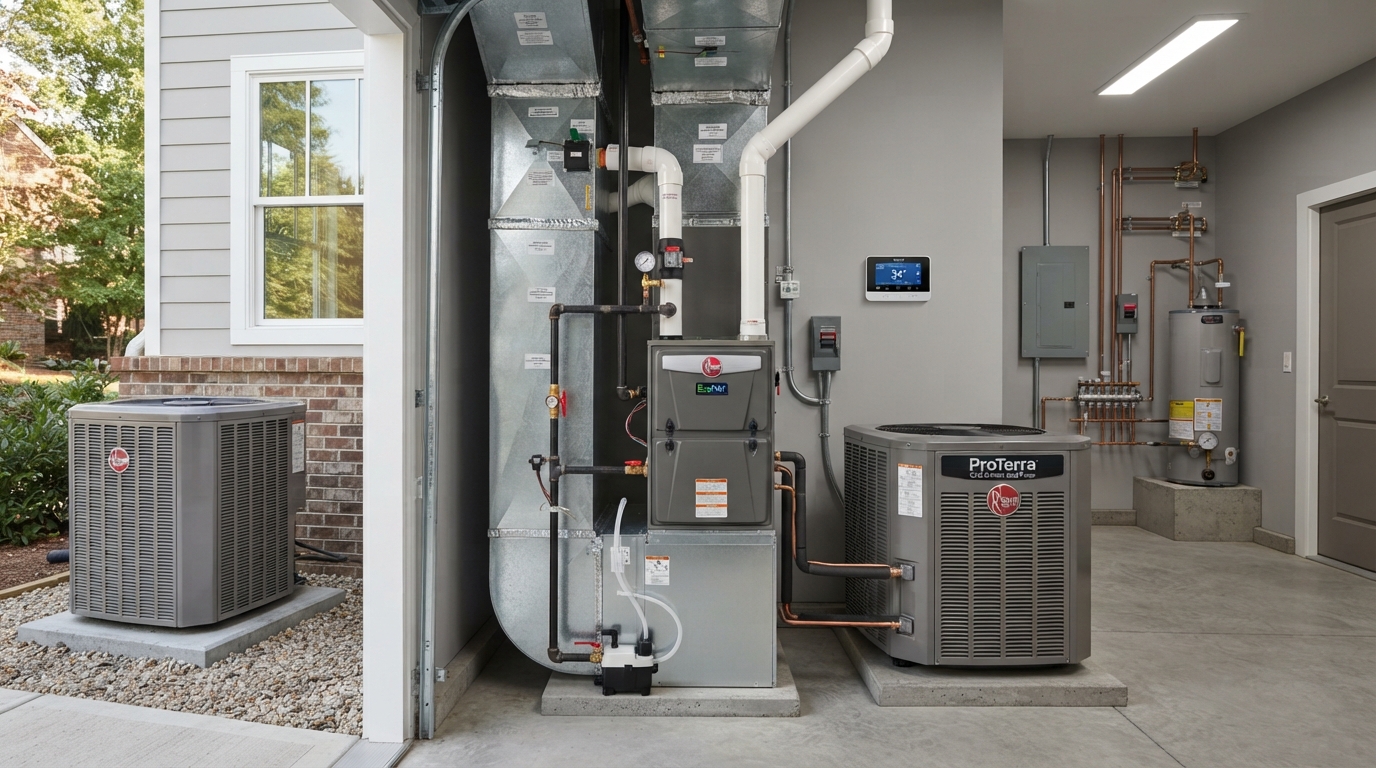
Choosing the right heating system in Michigan involves balancing comfort, energy efficiency, operating costs, and winter reliability. While traditional furnaces have long been the standard heating solution, advances in heat pump technology have introduced new options that combine the strengths of multiple systems. One of the most popular approaches is the dual fuel heating system.
A dual fuel system combines an electric heat pump with a gas furnace, allowing each system to operate when it is most efficient. During milder weather, the heat pump provides efficient heating by transferring heat from the outdoor air. As temperatures fall and heating demands increase, the system automatically switches to the gas furnace for dependable warmth.
This hybrid approach allows homeowners to enjoy the energy efficiency of a heat pump without sacrificing comfort during Michigan’s coldest winter conditions.
Many homeowners researching a modern dual fuel heat pump system are looking for a heating solution that delivers year-round efficiency while maintaining reliable performance during severe winter weather.
Quick Answer
A dual fuel heat pump system combines an electric heat pump with a gas furnace. The heat pump provides efficient heating during mild and moderate weather, while the furnace automatically takes over during colder temperatures. This combination helps improve energy efficiency, reduce operating costs, and maintain reliable comfort throughout Michigan winters.
Key Takeaways
- Dual fuel systems combine a heat pump with a gas furnace.
- The system automatically switches between heating sources.
- Heat pumps operate during milder temperatures.
- Gas furnaces provide backup during extreme cold.
- Hybrid operation improves overall energy efficiency.
- Automatic controls optimize performance based on outdoor temperatures.
- Professional installation is essential for proper operation.
- Dual fuel systems are becoming increasingly popular across Michigan.
What Is a Dual Fuel HVAC System?
A dual fuel HVAC system uses two different heating technologies that work together automatically.
The primary components include:
- Electric heat pump
- High-efficiency gas furnace
- Smart thermostat or control system
- Outdoor temperature sensor
The control system determines which heating source should operate based on outdoor conditions and efficiency.
Many manufacturers refer to this configuration as a hybrid heat pump system because it combines two complementary heating technologies into a single HVAC solution.
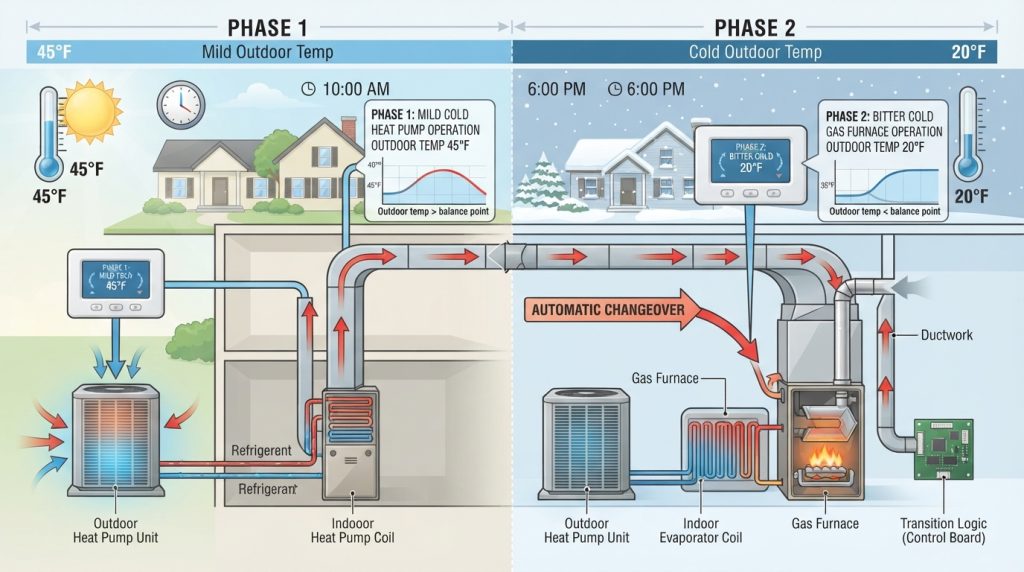
How Does a Dual Fuel System Work?
Unlike traditional HVAC systems that rely on a single heat source, dual fuel systems automatically switch between heating methods.
During Mild Weather
When outdoor temperatures remain relatively moderate:
- The heat pump operates.
- Heat is transferred from outside air into the home.
- Energy consumption remains relatively low.
- Indoor comfort is maintained efficiently.
Because heat pumps move heat instead of generating it, they often require less energy than conventional heating systems under these conditions.
According to the U.S. Department of Energy, modern heat pump systems are among the most efficient residential heating technologies available.
During Cold Weather
As outdoor temperatures continue dropping, heat pumps gradually become less efficient.
When outdoor temperatures reach a predetermined balance point:
- The thermostat signals the furnace.
- The heat pump stops heating.
- The gas furnace begins operating.
- Indoor comfort remains consistent.
This transition happens automatically without homeowner intervention.
The exact switching temperature varies depending on:
- Equipment model
- Home insulation
- Utility costs
- Thermostat programming
- Climate conditions
Why Dual Fuel Systems Are Well Suited for Michigan
Michigan experiences significant seasonal temperature variation.
A typical winter may include:
- Mild fall temperatures
- Freezing winter days
- Extended cold spells
- Occasional sub-zero weather
Because no single heating technology performs most efficiently across every outdoor temperature, dual fuel systems allow homeowners to benefit from both technologies.
Advantages include:
- Efficient heating during moderate weather
- Reliable heating during extreme cold
- Lower annual energy consumption
- Automatic system optimization
- Improved year-round comfort
This flexibility makes hybrid systems especially attractive for northern climates.
The Benefits of a Hybrid Heat Pump System
A properly designed hybrid heat pump system offers several advantages compared with relying on only one heating technology.
Improved Energy Efficiency
The system always attempts to operate the most efficient heating source based on outdoor conditions.
Potential benefits include:
- Reduced energy waste
- Lower utility costs
- Improved seasonal efficiency
- Better equipment utilization
Reliable Winter Performance
One of the biggest concerns homeowners have about heat pumps is extremely cold weather.
Dual fuel systems address this concern by automatically switching to the furnace whenever outdoor conditions justify the change.
This provides:
- Reliable heating
- Consistent indoor comfort
- Greater homeowner confidence
- Reduced dependence on electric resistance backup
Longer Equipment Life
Because heating responsibilities are shared between two systems, individual equipment may experience less overall operating time.
This balanced operation may contribute to:
- Reduced wear
- Longer equipment lifespan
- Improved reliability
- Lower long-term maintenance needs
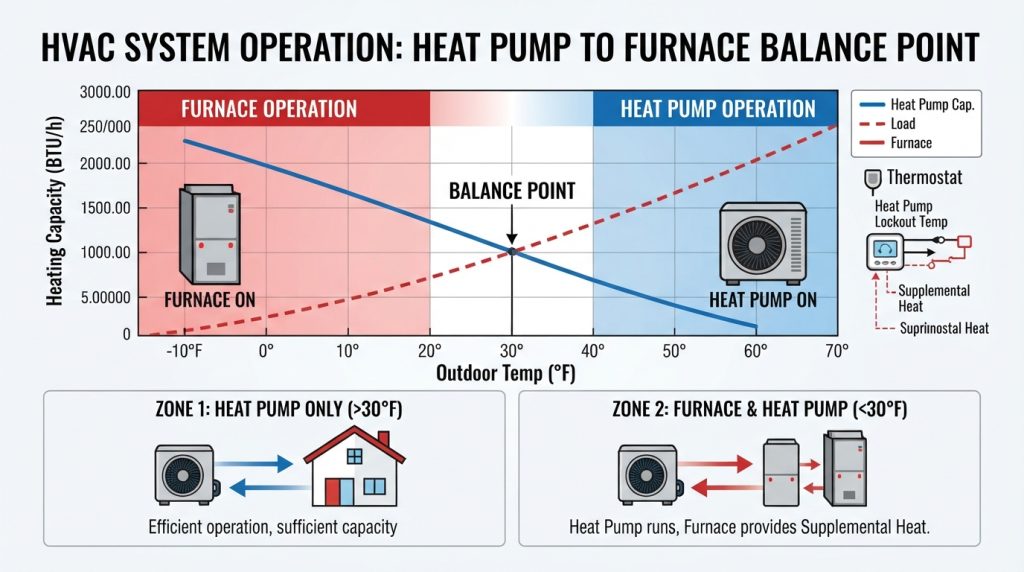
Understanding the Balance Point
One of the most important concepts in dual fuel operation is the balance point.
The balance point is the outdoor temperature where:
- The heat pump becomes less economical.
- The furnace becomes the preferred heating source.
Rather than operating both systems simultaneously, the HVAC controls simply select whichever option provides the greatest overall efficiency and comfort.
Professional system design helps determine the appropriate balance point for each individual home.
Heat Pump with Gas Furnace Backup: How It Works
A defining feature of a dual fuel system is the automatic transition between the heat pump and the gas furnace.
During much of the heating season, the heat pump serves as the primary heat source because it can deliver efficient heating while outdoor temperatures remain moderate.
As temperatures continue to decline, the control system determines when the furnace becomes the more efficient heating option.
A properly configured heat pump with gas furnace backup provides homeowners with the advantages of both technologies without requiring manual system adjustments.
Automatic Changeover
Modern control systems continuously monitor:
- Outdoor temperature
- Indoor temperature
- Heating demand
- Equipment performance
Based on these conditions, the thermostat automatically selects the most appropriate heating source.
For homeowners, the transition is typically seamless and requires no intervention.
Installation Considerations
Proper installation has a significant impact on the efficiency and reliability of a dual fuel HVAC system.
Important design considerations include:
- Equipment sizing
- Furnace compatibility
- Heat pump capacity
- Thermostat programming
- Ductwork performance
- Airflow balancing
Professional load calculations help ensure that both heating systems work together efficiently throughout the year.
Why System Sizing Matters
Oversized or undersized equipment may lead to:
- Reduced efficiency
- Short cycling
- Uneven temperatures
- Higher operating costs
- Increased equipment wear
Accurate sizing based on the home’s heating requirements helps maximize comfort and long-term performance.
Long-Term Cost Considerations
Dual fuel systems often involve a higher initial investment than installing a furnace alone.
However, many homeowners evaluate the investment based on total ownership costs rather than installation price alone.
Potential long-term benefits include:
- Lower annual energy consumption
- Reduced utility costs
- Improved equipment utilization
- Greater seasonal efficiency
- Longer equipment lifespan
Actual savings vary depending on:
- Utility rates
- Climate conditions
- Home insulation
- Equipment efficiency
- Occupancy patterns
According to the U.S. Environmental Protection Agency, ENERGY STAR certified heat pumps can significantly improve residential heating efficiency when properly installed and maintained.
Common Misconceptions About Dual Fuel Systems
As hybrid HVAC technology becomes more popular, several misconceptions continue to circulate.
“Both Systems Run at the Same Time”
In most residential applications, the heat pump and furnace do not provide primary heating simultaneously.
Instead, the HVAC controls determine which system should operate based on outdoor conditions.
“Dual Fuel Systems Are Only for Very Cold Climates”
While northern climates benefit significantly, dual fuel systems can also improve efficiency in regions that experience moderate seasonal temperature variation.
“Hybrid Systems Are Difficult to Operate”
Modern smart thermostats automatically manage system operation.
Most homeowners simply select their preferred indoor temperature and allow the controls to manage the transition between heating sources.
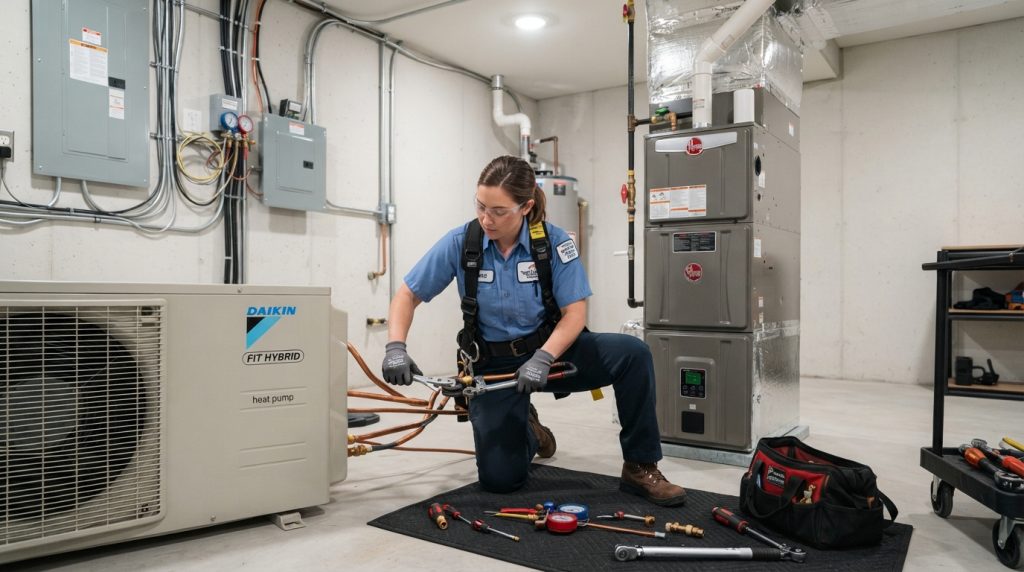
Choosing the Right HVAC Professional
Proper installation remains one of the most important factors affecting dual fuel system performance.
When evaluating contractors for a dual fuel heat pump system, homeowners should consider:
- Cold-climate HVAC experience
- Heat pump expertise
- Licensing and certifications
- System design capabilities
- Warranty support
- Preventative maintenance services
Many homeowners also review public business profiles to better understand customer experiences, professionalism, and installation quality before selecting an HVAC contractor.
Following recognized indoor air quality best practices alongside regular HVAC maintenance can also contribute to improved comfort, healthier indoor environments, and more efficient system operation.
Is a Dual Fuel System Right for Your Home?
A dual fuel HVAC system is not necessarily the ideal solution for every property.
Homeowners should evaluate:
- Existing HVAC equipment
- Utility costs
- Home insulation
- Local winter temperatures
- Long-term ownership plans
- Energy efficiency goals
For many Michigan homes, however, combining the efficiency of a heat pump with the dependable performance of a gas furnace provides an effective balance between operating costs and winter comfort.
A professional evaluation can help determine whether a dual fuel configuration is appropriate for a particular home.
Conclusion
Dual fuel HVAC systems combine two proven heating technologies into one intelligent solution. By allowing a heat pump to handle mild and moderate weather while automatically switching to a gas furnace during colder conditions, these systems offer homeowners an efficient way to balance comfort, reliability, and energy savings.
Advances in thermostat controls, cold-climate heat pumps, and high-efficiency furnaces have made hybrid heating systems increasingly practical for Michigan homeowners. Rather than relying on a single heating technology year-round, dual fuel systems adapt to changing outdoor conditions automatically.
For homeowners seeking lower energy consumption without sacrificing dependable winter heating, a properly designed and professionally installed dual fuel system may provide an effective long-term solution that delivers comfort throughout every season.
Frequently Asked Questions
What is a dual fuel heat pump system?
A dual fuel heat pump system combines an electric heat pump with a high-efficiency gas furnace. The system automatically switches between the two heating sources based on outdoor temperatures and heating demand to maximize efficiency and comfort.
How does a dual fuel system decide when to switch to the furnace?
Modern thermostats and outdoor temperature sensors continuously monitor conditions. When outdoor temperatures reach the system’s balance point, the controls automatically switch from the heat pump to the furnace without requiring homeowner intervention.
What is a hybrid heat pump system?
A hybrid heat pump system is another name for a dual fuel HVAC system. It combines two complementary heating technologies to improve efficiency while maintaining dependable performance during cold weather.
Is a dual fuel system a good choice for Michigan?
Yes. Because Michigan experiences both mild and extremely cold winter temperatures, dual fuel systems allow homeowners to use the heat pump during moderate weather and rely on the furnace during severe cold, creating an efficient balance between comfort and operating costs.
Does a dual fuel system provide air conditioning?
Yes. During warmer months, the heat pump functions as a central air conditioner, providing efficient cooling while using the same outdoor equipment.
Can a heat pump with gas furnace backup reduce energy bills?
Many homeowners find that a properly sized heat pump with gas furnace backup reduces annual heating costs by allowing the heat pump to operate whenever conditions are favorable. Actual savings depend on utility rates, insulation, climate, and system efficiency.
Do both heating systems operate at the same time?
In most residential applications, no. The HVAC control system selects either the heat pump or the furnace based on outdoor conditions rather than operating both systems simultaneously for primary heating.
Does a dual fuel system require special maintenance?
Maintenance requirements are similar to other HVAC systems but include servicing both the heat pump and the furnace. Routine inspections help maintain efficiency, reliability, and long-term equipment performance.
Can an existing furnace be used in a dual fuel system?
In some situations, yes. Compatibility depends on the age, condition, efficiency, and controls of the existing furnace. A professional HVAC evaluation can determine whether existing equipment can be integrated.
How long does a dual fuel HVAC system last?
Many systems provide reliable service for 15 to 20 years or longer with proper installation and regular maintenance. Actual lifespan depends on equipment quality, operating conditions, and preventative care.
Why is professional installation important?
Proper installation ensures correct equipment sizing, thermostat programming, refrigerant charging, airflow balancing, and system integration. These factors significantly influence long-term efficiency and comfort.
Who should consider installing a dual fuel system?
Homeowners who experience cold winters, want to improve energy efficiency, reduce heating costs, or replace aging HVAC equipment may benefit from evaluating a dual fuel heating solution.