

Finding a dental clinic for children near me shouldn’t feel like solving a puzzle. About 20% of children between ages two and five have at least one untreated cavity, according to the CDC.
The right clinic can make those visits stress-free instead of traumatic. Most parents walk into a pediatric dental office and see colorful walls, assuming that’s enough.
It’s not. You need to look deeper—at how staff interact with scared kids, whether tools are actually child-sized, and if the dentist explains procedures in ways a six-year-old understands.
What Makes a Clinic Actually Child-Friendly?
A truly child-friendly clinic treats your kid like a person, not a small adult who needs to “behave.”
The American Academy of Pediatric Dentistry recommends that children visit a dentist by their first birthday, but nearly 50% of parents wait until age three or later. Why? Fear. Kids pick up on anxiety, and a good clinic knows this.
Watch how receptionists greet your child. Do they crouch down to eye level? Do they use your child’s name? These small actions matter more than the Disney characters painted on walls.
Staff training shows up in these moments. A clinic that invests in pediatric-specific training will have team members who know how to redirect a tantrum, not just tolerate it.
Child-sized dental chairs and equipment aren’t just cute—they’re functional. Regular adult chairs force kids into awkward positions that increase discomfort.
Look for adjustable chairs that let smaller bodies fit properly. Tools should match too. Smaller mirrors, gentler suction devices, and appropriately sized X-ray equipment show the clinic takes pediatric care seriously.
Red Flags You Can’t Ignore
Some warning signs appear before you even schedule an appointment. If the front desk rushes you off the phone or can’t answer basic questions about their approach to anxious children, that’s your first clue.
A study published in the Journal of Dentistry for Children found that parental anxiety about dental visits decreased by 65% when clinics offered pre-visit consultations. Does this clinic offer that option?
During your visit, notice the wait time. Thirty minutes might be normal for adults, but it’s an eternity for a restless five-year-old. Clinics that respect children’s limited patience schedule appropriately.
If you’re waiting an hour past your appointment time, the clinic isn’t managing their schedule with kids in mind.
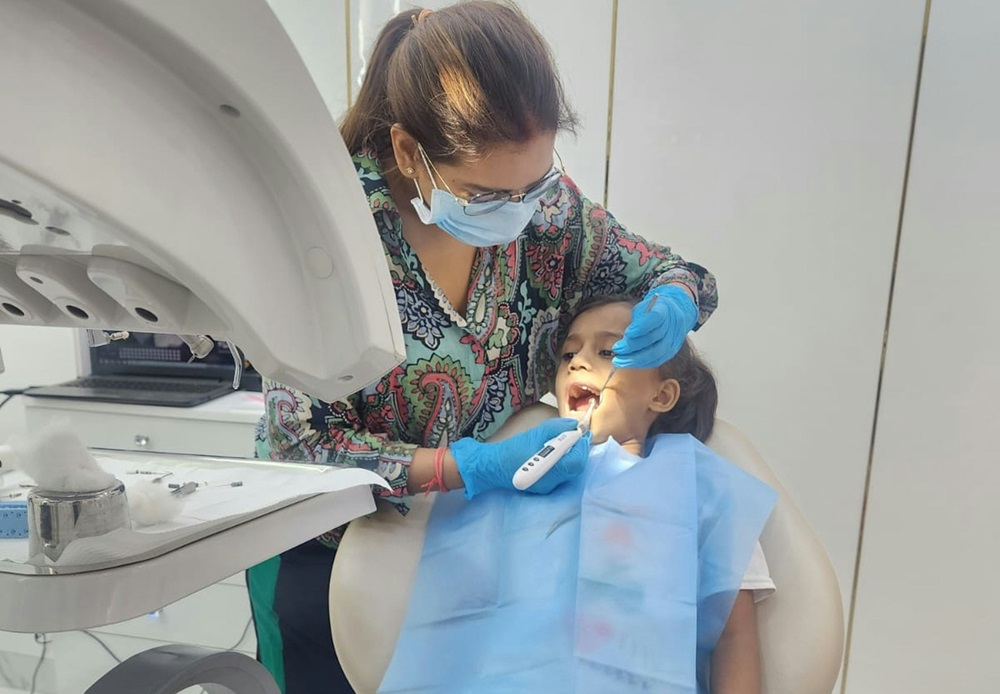
Watch how the dentist handles resistance. Does your child refuse to open their mouth? A good pediatric dentist will use tell-show-do techniques—explaining what will happen, showing the tool on their own hand first, then gently proceeding.
Dentists who get frustrated, raise their voices, or try to force cooperation create dental phobia that lasts into adulthood.
The environment tells you plenty too. Sterile, clinical spaces with no consideration for children’s comfort suggest the practice added “pediatric” to their name without changing their approach.
You want warmth without chaos—organized play areas, not scattered broken toys. Check if bathrooms have step stools and child-height sinks.
Green Flags That Signal Quality Care
The best clinics don’t just tolerate parents in the treatment room—they welcome you. Some dentists prefer parents in the waiting room, claiming kids behave better alone.
Research from Pediatric Dentistry journal shows the opposite: children under seven experience less anxiety when a parent stays visible, even if not holding their hand.
Ask about pain management approaches. Topical numbing gel before injections should be standard, not optional.
The clinic should explain their policy on sedation clearly. Around 50% of pediatric dental practices offer some form of sedation for extensive work, but methods vary.
Nitrous oxide (laughing gas) is common and safe, but you should know the protocol before agreeing.
Communication style reveals everything. Does the dentist explain findings to you in plain language, then turn to your child and rephrase it simply?
Do they avoid scary words like “drill” or “shot,” using “sleepy juice” and “tooth cleaner” instead? This isn’t about being cutesy—it’s evidence-based anxiety reduction.
Look for educational focus beyond the chair. Quality clinics send you home with age-appropriate brushing guides, not generic pamphlets.
They should ask about diet, fluoride exposure in your water supply, and thumb-sucking habits. Preventive care matters more than reactive treatment.
What to Ask During Your First Visit
Come prepared with specific questions. “How do you handle a child who won’t cooperate?” should get a detailed answer involving patience, distraction techniques, and possibly rescheduling if the child is too upset. Vague responses like “We work with them” don’t cut it.
Ask about emergency protocols too. If your child chips a tooth on Saturday, can you reach someone? Pediatric dental emergencies happen outside business hours more often than during them. A clinic with after-hours access or clear emergency referral relationships shows commitment.
Question their X-ray policy. The American Dental Association recommends X-rays only when necessary based on individual risk factors. Clinics that X-ray every child at every visit are prioritizing billing over best practices. Digital X-rays reduce radiation exposure by up to 90% compared to traditional film, so confirm they use modern equipment.
Don’t skip asking about insurance and costs. Surprise bills create stress that kids absorb. Transparent pricing, even for families paying out-of-pocket, indicates honest practice management.
How Often Should You Reevaluate?
Your child’s needs change as they grow. A clinic perfect for a three-year-old’s first cleaning might not suit a ten-year-old who needs orthodontic evaluation. Reassess every two years or when your instinct says something feels off.
Trust your child’s reactions too. One bad visit can happen anywhere, but consistent reluctance or fear suggests a mismatch. Kids can’t always articulate what bothers them, so watch for physical signs—tensing up in the parking lot, nightmares after appointments, or regression in behavior.
The right dental clinic for children near me becomes a partner in your child’s health, not just a service provider. You’re not being picky when you evaluate staff patience, equipment appropriateness, and communication quality.
You’re being a parent who knows that childhood dental experiences shape adult attitudes toward healthcare. Choose carefully, observe closely, and don’t settle for “good enough” when genuinely child-centered care exists.
FAQ
What age should my child first visit a dentist?
Ans: The American Academy of Pediatric Dentistry recommends the first visit by age one or within six months of the first tooth appearing. Early visits build familiarity before problems develop.
How long should a pediatric dental appointment take?
Ans: First visits typically last 30-45 minutes, including exam time and parent education. Routine cleanings for established patients usually take 20-30 minutes for younger children.
Should I stay in the room during treatment?
Ans: For children under seven, most pediatric dentists welcome parents in the room. Older children sometimes prefer privacy, but you should always have the option to stay if your child wants you there.