
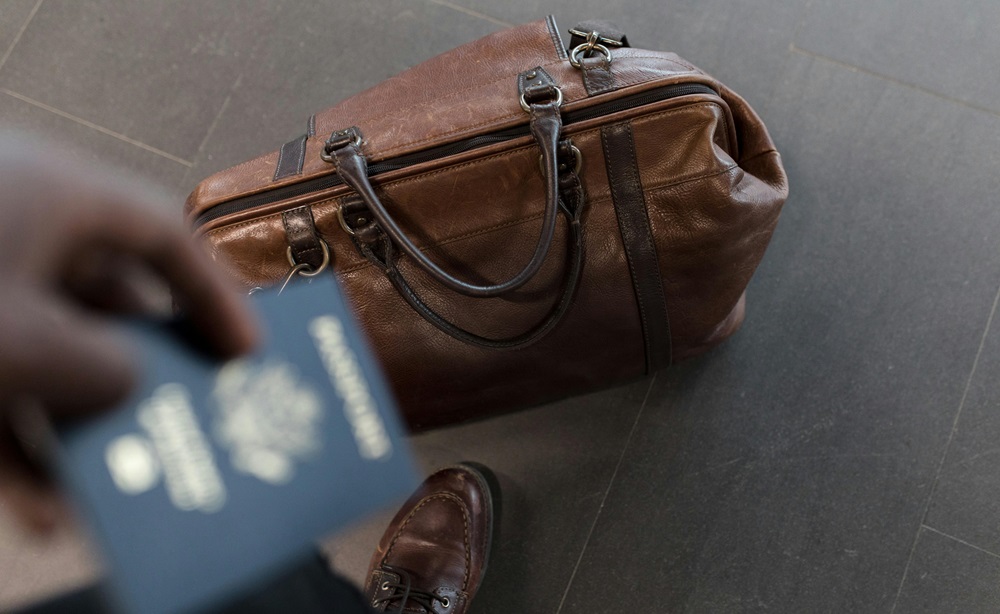
You can save serious money buying luggage used for sale, but bedbugs love luggage.
These tiny pests hide in seams and compartments, waiting to hitch a ride into your home.
One infested bag can turn into a full-blown nightmare that costs thousands to fix. Here’s exactly what to look for before you hand over your cash.
What Makes Luggage a Perfect Bedbug Hideout?
Bedbugs need dark, tight spaces close to their food source (that’s you). Luggage gives them exactly that.
Suitcases have dozens of seams, pockets, and fabric folds where bedbugs squeeze their flat bodies. The insects are about the size of an apple seed, but they can fit into cracks as thin as a credit card. They don’t live on people like lice do. Instead, they wait in hiding spots until you’re nearby and asleep.
Hotels are common breeding grounds. When travelers put their bags on infested beds or floors, bedbugs crawl inside. The bugs can survive over a year without feeding, so even luggage that’s been sitting in storage for months can still harbor live pests.
How Do You Inspect the Exterior Seams?
Start by checking where fabric pieces connect. Run your finger along every seam on the outside of the bag.
Look for tiny dark spots that resemble pepper or coffee grounds. These are bedbug droppings, and they often appear as small stains on fabric. You might also see rusty-colored smears from crushed bugs or bloodstains from their feeding.
Pay close attention to:
- The edges where the fabric meets the zipper
- Corner joints and reinforced stitching
- Handle attachment points
- Wheel housing areas on rolling bags
Use your phone’s flashlight. Bedbugs avoid light, so a bright beam helps you spot movement or the bugs themselves. Adult bedbugs are reddish-brown and oval-shaped. Younger ones (nymphs) are smaller and lighter in color, almost translucent.
Check for shed skins too. Bedbugs molt five times as they grow, leaving behind pale, shell-like casings near their hiding spots.
What Should You Check Inside the Lining?
Unzip every compartment and turn the bag inside out if possible.
The interior lining is where bedbugs often lay eggs. These eggs are white, about 1mm long, and sticky. They look like tiny grains of rice and usually cluster together in groups of 10 to 50.
Inspect the fabric carefully:
- Pull back any loose lining material
- Check the corners of interior pockets
- Look at the underside of zippered flaps
- Examine the mesh dividers
Run your hand along the interior seams. Feel for any rough spots or irregularities. Sometimes you’ll find eggs or bugs stuck to the fabric that you can’t easily see.
If the lining has any tears or holes, bedbugs might be hiding in the padding underneath. These damaged areas need extra attention. Shine your light through any gaps and look for dark clusters or movement.
Where Are the Hidden Compartments Bedbugs Love?
Most people skip the hard-to-reach spots during inspection. That’s a mistake.
Check the bottom panel where the wheels attach. Many suitcases have a gap between the outer shell and the base plate. Bedbugs crawl into this space and remain undetected for months.
Remove the telescoping handle completely if you can. The tube and mechanism create perfect hiding spots. Look inside the handle shaft with a flashlight.
Expandable luggage has extra zipper sections. Open these fully and inspect the accordion-style fabric folds. Each crease can hide bugs or eggs.
Don’t forget:
- Name tag holders and their backing
- Decorative trim or piping
- TSA lock compartments
- Reinforced corner caps
Some bags have removable organizational inserts or garment bags. Take these out and inspect them separately.
Can You Really Spot Bedbug Signs on Dark Luggage?
Dark-colored bags make inspection harder, but you can still find evidence.
Bedbug droppings show up as tiny raised bumps on dark fabric. They don’t blend in like they do on lighter colors. Instead, they create a slightly shiny or wet-looking texture.
Use a piece of white tissue or paper towel. Wipe it firmly along seams and corners. If bedbugs are present, you’ll see brown or reddish smears on the paper. The droppings contain digested blood, so they transfer easily.
A magnifying glass helps with dark materials. You can pick one up for a few dollars at any drugstore. The extra magnification makes eggs and nymphs visible against dark backgrounds.
Test suspicious spots with rubbing alcohol on a cotton swab. Bedbug droppings will smear and turn reddish-brown when wet.
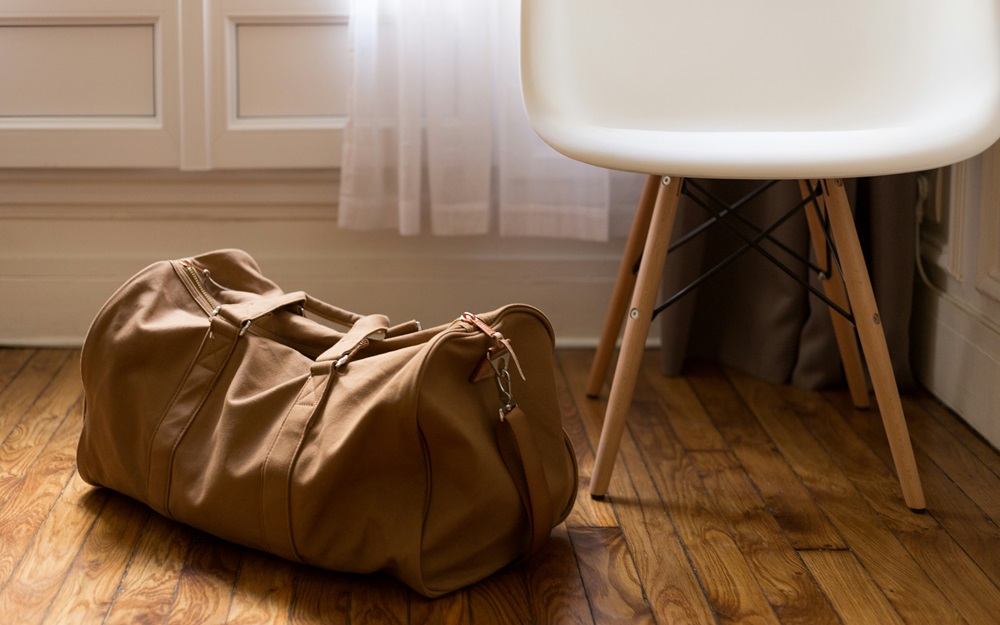
What’s Your Action Plan After Inspection?
If you spot any signs of bedbugs, walk away. No discount is worth the risk.
Even one pregnant female bedbug can start an infestation in your home. Professional extermination costs between $1,000 and $2,500 on average, according to pest control data from 2024. That’s far more than you’ll save buying used.
Clean luggage you do buy before bringing it inside. Vacuum every surface thoroughly, including seams and pockets. Wipe down hard surfaces with hot soapy water.
Some people heat-treat used luggage by leaving it in a car on a hot summer day (temperatures above 120°F kill bedbugs). Others use portable heating chambers designed for bedbug elimination.
When shopping for luggage used for sale, inspect it outdoors or in a garage. Never bring uninspected secondhand bags directly into your bedroom or living areas.
FAQ
How long can bedbugs survive in stored luggage?
Bedbugs can live up to 400 days without feeding in cool conditions. They enter a dormant state and wait for a host.
Do all used suitcases have bedbugs?
No, but the risk exists. Bedbugs spread through travel and secondhand items, making luggage a common carrier.
Can you wash bedbugs out of fabric luggage?
Washing in hot water (above 120°F) kills bedbugs and eggs, but hard-sided luggage and structural components need different treatment methods.